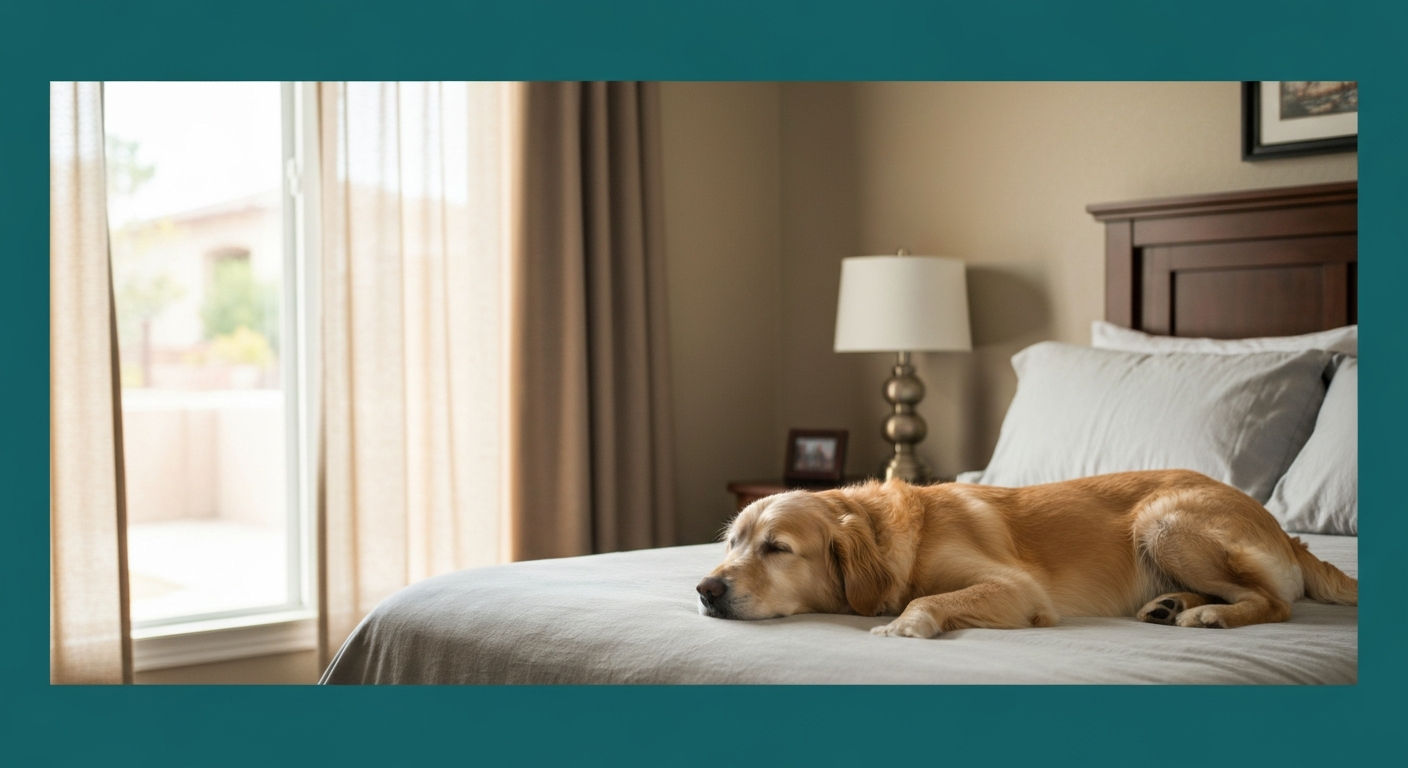
Best Emotional Support Animals for Nevada Apartments — A Clinician-Vetted Lineup
Disclaimer: This article is provided for informational purposes only and does not constitute medical, mental-health, or legal advice. Whether an emotional support animal is therapeutically appropriate for you is a clinical determination that only a licensed mental health professional (LMHP) can make. For housing disputes, please consult a Nevada-licensed attorney or contact your local legal aid office for FHA enforcement guidance.
Nevada's rental market is as varied as its landscape — from high-rise studios a few blocks off the Las Vegas Strip to quiet garden apartments in Reno's midtown district and single-story complexes in Henderson and Sparks. Whatever the ZIP code, one challenge remains consistent for renters who live with anxiety, depression, PTSD, or other qualifying mental health conditions: finding housing that accommodates the animal that supports their emotional well-being.
Under the federal Fair Housing Act (FHA) and HUD's authoritative guidance document FHEO-2020-01 — Assessing a Person's Request to Have an Animal as a Reasonable Accommodation Under the Fair Housing Act — housing providers are generally required to make reasonable accommodations for residents with disabilities, including waiving no-pet policies and pet-deposit fees for documented emotional support animals. The cornerstone of that documentation is an ESA letter issued by a licensed mental health professional who holds an active Nevada license and has conducted a genuine clinical evaluation of the requesting individual.
What the regulations do not specify, however, is which species makes the best apartment companion. That decision blends clinical therapeutic value, practical livability, and the realities of Nevada apartment life. To help you think through your options before speaking with a licensed clinician, our team has assembled this clinician-vetted lineup of the best apartment-friendly ESA candidates in Nevada — covering everything from classic canines to surprisingly practical small mammals.
One important framing note before we begin: no online registry, ESA ID card, or certificate grants any legal housing protection. HUD has explicitly confirmed that so-called ESA registries are not recognized under federal law. Only an ESA letter from an LMHP licensed in Nevada — following a genuine evaluation of your specific mental health needs — carries weight under the FHA. With that foundation in place, let's explore the lineup.
The 8 Best Emotional Support Animals for Nevada Apartments
-
1. Dogs — The Therapeutic Gold Standard
It is no accident that dogs appear at the top of nearly every ESA conversation. Decades of peer-reviewed research support the proposition that human-canine interaction can meaningfully reduce cortisol levels, lower blood pressure, and interrupt the physiological stress response cycle associated with anxiety and PTSD. For Nevada renters managing mood or anxiety disorders, many licensed clinicians find that a dog's capacity for attunement — its moment-to-moment responsiveness to a handler's emotional state — offers a therapeutic quality that few other animals can replicate at the same intensity.
In an apartment context, breed and size selection matter enormously. Larger, high-energy working breeds may struggle in a 700-square-foot unit without substantial daily exercise. Fortunately, Nevada's urban centers — Summerlin's trail network, Reno's Truckee River Walk, Henderson's extensive park system — make daily outdoor activity achievable for committed owners. Smaller apartment-compatible breeds such as French Bulldogs, Cavalier King Charles Spaniels, Shih Tzus, and Pugs tend to adapt well to Nevada's indoor temperatures while still providing the tactile and emotional engagement that supports therapeutic benefit. For a deeper breed-by-breed analysis, see our dedicated guide on ESA dogs in Nevada: best breeds for apartments.
One practical Nevada consideration: the state's desert climate means summer heat on asphalt can be dangerous for dogs during midday walks. Early-morning and evening exercise routines, combined with indoor enrichment, help dogs remain healthy and calm in apartment settings — which in turn supports the consistency of the therapeutic relationship.
Practical Takeaway: Dogs offer high therapeutic responsiveness and benefit from Nevada's outdoor amenities. Choose a lower-energy, apartment-sized breed, and consult a Nevada-licensed clinician to determine whether a dog is therapeutically appropriate for your specific mental health needs before pursuing an ESA housing letter under the FHA.
-
2. Cats — Quiet, Low-Maintenance Emotional Anchors
For Nevada renters whose mental health needs center on grounding, routine, and sensory calm rather than high-engagement interaction, cats frequently emerge as the more clinically appropriate choice. The rhythmic, low-frequency vibration of a purring cat has been studied for its potential to promote relaxation and reduce anxiety-related autonomic arousal. Cats are also notably less disruptive to apartment neighbors — a meaningful practical advantage in Nevada's high-density rental communities, where noise complaints can add a secondary stressor to an already challenging living situation.
Cats are independent enough to tolerate a working owner's schedule without developing the separation-related distress that some dog breeds exhibit, yet sufficiently social to provide meaningful companionship during the evenings and weekends when emotional support is most needed. Breeds like the Ragdoll, Scottish Fold, and American Shorthair tend to adapt comfortably to apartment living; however, mixed-breed domestic cats — which make up the majority of shelter populations — are equally capable ESA candidates from a clinical standpoint. Adopting through Nevada's shelter system, including organizations in Clark County and Washoe County, also carries the added emotional benefit of rescue, which many clients find personally meaningful.
Under FHEO-2020-01, housing providers cannot impose breed or size restrictions on ESAs the way they might on ordinary pets, and they cannot charge a pet deposit for a properly documented ESA. A valid Nevada ESA letter for a cat should specify the resident's qualifying mental health condition, the clinician's Nevada license information, and a clear statement that the animal is part of the individual's treatment or support plan. For more on living with a feline ESA in the Silver State, explore our resource on ESA cats in Nevada: quiet companions.
Practical Takeaway: Cats are among the most apartment-friendly ESA options in Nevada — low noise, independent temperament, and strong therapeutic grounding potential. A licensed Nevada clinician can evaluate whether a cat ESA aligns with your treatment goals.
-
3. Rabbits — Surprisingly Therapeutic and Apartment-Approved
Rabbits occupy a fascinating middle ground in the ESA conversation: they are quiet enough to pass virtually unnoticed by apartment neighbors, hypoallergenic-adjacent (though not entirely allergen-free), and capable of forming genuine bonds with their human companions. For individuals whose anxiety is partly triggered by the high-stimulus demands of dogs or the aloof unpredictability of cats, a rabbit's calm, routine-oriented temperament can offer an accessible therapeutic relationship with lower management demands.
Rabbits are highly social animals that thrive on gentle daily interaction — a quality that maps well onto therapeutic goals around establishing routine, practicing present-moment awareness, and reducing isolation. They are also litter-trainable, which makes apartment maintenance straightforward. Housing providers sometimes attempt to challenge rabbit ESAs on the grounds that they are "exotic" animals, but HUD's FHEO-2020-01 guidance makes clear that the relevant inquiry is whether the animal is needed as a reasonable accommodation for a disability — not whether the species is a traditional pet. The documentation provided by a Nevada-licensed LMHP carries the weight in these conversations.
Nevada's dry climate does require rabbit owners to monitor indoor humidity levels, as rabbits are sensitive to both extreme heat and very dry air — a manageable consideration with standard apartment climate control. For a thorough look at the practicalities and legal landscape of rabbit ESAs in the Silver State, see our guide on rabbits as emotional support animals in Nevada.
Practical Takeaway: Rabbits are a clinically credible, neighbor-friendly ESA option for Nevada apartment dwellers. Their quiet nature and routine-friendly temperament make them particularly suitable for those managing anxiety or sensory sensitivities.
-
4. Guinea Pigs — Small Footprint, Meaningful Connection
Guinea pigs may not be the first animal that comes to mind when someone searches for the best ESA for apartment Nevada, but clinicians working with clients who need a gentle, low-maintenance therapeutic companion often speak highly of them. These small rodents are social, vocal in a non-disruptive way (their characteristic "wheeks" and purrs are endearing rather than intrusive), and physically manageable for individuals with limited mobility or energy — a consideration that matters for those managing depression or chronic fatigue alongside their primary mental health condition.
The act of caring for a guinea pig — maintaining a clean enclosure, preparing fresh vegetables, scheduling handling time — provides a structured daily routine that behavioral health clinicians frequently recommend as a protective factor against depressive episodes. The tactile experience of handling a calm guinea pig also activates the same parasympathetic soothing response associated with petting larger animals. From a space perspective, a well-designed enclosure occupies no more floor space than a small side table, making guinea pigs one of the most apartment-proportionate options in this lineup.
Housing providers must evaluate guinea pig ESA requests using the same reasonable-accommodation framework applied to dogs and cats. The controlling authority remains FHEO-2020-01 and the FHA's Section 3604(f). A Nevada-licensed clinician's letter documenting the therapeutic necessity of the animal is the operative document — not a registry certificate or online badge.
Practical Takeaway: Guinea pigs offer a structured, tactile therapeutic relationship with a minimal physical footprint. They are a strong candidate for Nevada renters in smaller units or those with limited physical energy, provided a licensed clinician supports the designation.
-
5. Birds — Companionship, Routine, and Cognitive Engagement
For certain individuals — particularly those managing loneliness, cognitive decline risk, or the social withdrawal associated with depression — a companion bird can offer a uniquely engaging therapeutic relationship. Parakeets (budgerigars), cockatiels, and small parrots are capable of learning vocal cues and responding to their owner's presence in ways that many clients describe as genuinely interactive. This quality of responsiveness, delivered through a manageable small animal, can be particularly meaningful for Nevada renters who live alone and benefit from a sense of being "seen" or acknowledged by their companion.
Birds present some practical apartment considerations worth discussing with a clinician. Larger parrots can be quite loud, which may create neighbor-relations challenges in close-quarters Nevada apartment buildings. Smaller species like budgies and cockatiels produce modest noise levels that most neighbors find tolerable. Dander from birds can trigger respiratory sensitivities in some individuals, and Nevada's dry air may require humidifier use to support avian respiratory health. These are practical management questions, not disqualifying factors, and should be discussed openly during a clinical evaluation.
From a legal standpoint, birds are entirely eligible for FHA reasonable accommodation consideration. What matters is the documented relationship between the individual's qualifying mental health condition and the therapeutic role the specific animal plays — as articulated in a Nevada LMHP's letter. No species-specific restriction in an ESA letter framework exists at the federal level under current HUD guidance.
Practical Takeaway: Small companion birds — particularly budgies and cockatiels — can provide meaningful routine and interactive companionship for Nevada apartment renters experiencing loneliness or depression. Discuss noise level and dander considerations honestly with your clinician.
-
6. Hamsters and Gerbils — Accessible Companions for High-Anxiety Lifestyles
Sometimes the most therapeutically appropriate ESA is also the simplest — and for individuals managing high-functioning anxiety who need a low-stimulus, low-maintenance grounding anchor, hamsters and gerbils deliver surprising value. Their small enclosure footprint, modest feeding requirements, and quiet demeanor make them among the least logistically demanding animals on this list, freeing cognitive bandwidth for individuals whose anxiety already consumes significant mental energy in daily life.
The act of observing a hamster's behavior — its methodical food-gathering, its wheel activity patterns, its nesting rituals — has an almost meditative quality that some clients find genuinely useful as a mindfulness anchor. Gerbils, which are naturally more social and active during daylight hours than nocturnal hamsters, may suit individuals who want a slightly more interactive experience. Both species are virtually inaudible to apartment neighbors and require no outdoor access, making them resilient to Nevada summer heat restrictions that can complicate dog-owning renters' routines.
As with all animals on this list, the clinical validity of a hamster or gerbil ESA rests entirely on the quality of the LMHP's evaluation and letter — not on the size or perceived conventionality of the animal. Housing providers who question uncommon ESA species should be directed to FHEO-2020-01's guidance that the accommodation analysis is disability-centered, not species-centered. Consulting a Nevada-licensed attorney is advisable if a landlord refuses a properly documented ESA accommodation request.
Practical Takeaway: Hamsters and gerbils are among the most logistically accessible ESA options for Nevada apartment renters — ideal for individuals who need a low-stimulus grounding companion with minimal daily management demands.
-
7. Fish — Underestimated Calm in a High-Stimulus Environment
Nevada's urban centers are, by most measures, among the highest-stimulus living environments in the country. For residents managing chronic stress, hypervigilance, or sensory processing challenges, the simple presence of a well-maintained aquarium in an apartment can serve as a meaningful environmental intervention. Research into aquarium-based relaxation has documented measurable reductions in heart rate and blood pressure in clinical and community settings. A licensed clinician may, in appropriate cases, support the therapeutic role of fish as an ESA.
Fish are obviously non-tactile ESAs — there is no petting, no physical interaction, and no behavioral responsiveness in the way mammals offer. Their therapeutic mechanism operates primarily through visual engagement and the routine of care. For individuals whose anxiety is triggered by the demands of more interactive animals, or who have allergies that preclude fur-bearing companions, fish represent a genuinely viable and underappreciated option. A quality freshwater aquarium — even a modest 10-to-20-gallon setup — can transform a Nevada apartment's ambient atmosphere.
Housing providers occasionally push back on aquarium ESAs due to concerns about water damage liability. These are legitimate logistical concerns that can generally be addressed through standard renter's insurance policies — a practical step your clinician or property manager may raise. The FHA accommodation framework still applies, and a thorough Nevada LMHP letter documenting the therapeutic need remains the operative document for any housing accommodation request.
Practical Takeaway: Fish are a legitimate, clinician-supportable ESA option for Nevada renters managing high-stimulus environments, allergies, or anxiety triggered by animal behavioral demands. The aquarium's meditative presence can be a meaningful therapeutic anchor.
-
8. Miniature Pigs — A Niche but Legally Recognized Option
Miniature pigs — often marketed as "teacup" or "micro" pigs, though these labels are not standardized — occupy a niche but entirely legitimate space in the ESA landscape. They are highly intelligent, form strong bonds with their owners, and have been studied in therapeutic settings for their capacity to support emotional regulation and social engagement. Some Nevada renters, particularly those who have formed a previous bond with pigs or who find canine or feline interactions overstimulating, may find a miniature pig to be a genuinely appropriate therapeutic companion.
The practical considerations with miniature pigs are more significant than with cats or small rodents. Even legitimately small-breed pigs typically reach 50–100 pounds at maturity, which can surprise owners expecting a perpetually pocket-sized animal. They require more space, rooting enrichment, and dietary management than most apartment-dwellers initially anticipate. These are conversations to have honestly with a licensed clinician during the evaluation process — a clinician who genuinely has your therapeutic interests at heart will raise these realities rather than simply issue documentation without exploring the practical fit.
From a legal standpoint, miniature pigs have been successfully accommodated under the FHA in multiple jurisdictions, and HUD's FHEO-2020-01 guidance does not restrict ESA eligibility by species for housing purposes. Landlords who refuse accommodation for a pig ESA supported by a Nevada LMHP's letter should be advised to consult their own legal counsel; the tenant may wish to contact Nevada's Equal Rights Commission or a Nevada-licensed attorney. For foundational guidance on the Nevada ESA housing letter process, review our resource on Nevada ESA housing letters and FHA protections.
Practical Takeaway: Miniature pigs are legally eligible ESAs and may suit specific therapeutic contexts, but require careful evaluation of practical apartment fit. A clinician who raises honest questions about size and management needs is doing their job well.
What Makes a Nevada ESA Letter Legitimate?
Regardless of which animal on this list resonates most with your situation, the legal foundation of your housing accommodation rests on a single document: an ESA letter issued by a licensed mental health professional who holds an active Nevada license and has conducted a genuine, individualized clinical evaluation. That evaluation should explore your specific mental health history, the functional limitations created by your condition, and a clinician's professional judgment that an emotional support animal would be therapeutically beneficial for you specifically.
A legitimate Nevada ESA letter will typically include the clinician's name, license type, Nevada license number, contact information, the date of issuance, and a clear statement that the animal is part of the individual's mental health support — without disclosing diagnostic details that the resident is not required to share under the FHA. It does not include a QR code linked to a national database, an embossed seal from a commercial registry, or a laminated ID card. Those products are not recognized under federal law and may actually undermine a resident's credibility with a knowledgeable housing provider.
For Nevada-specific guidance on the housing letter process, including what information landlords may and may not request, see our comprehensive resource on Nevada ESA housing letters and FHA protections. And if you are curious about building foundational skills with your chosen ESA — which can strengthen both the therapeutic relationship and your documentation narrative — our guide on ESA training basics in Nevada is a useful starting point.
Nevada-Specific Considerations Every Apartment Renter Should Know
Nevada does not currently have a state statute that imposes additional requirements on ESA letter issuance beyond federal FHA standards — unlike states such as California (AB-468) or Florida (FL Statute 760.27), which mandate minimum established-relationship periods or in-state licensure requirements respectively. That said, Nevada renters should be aware that HUD's FHEO-2020-01 framework already requires housing providers to engage in an individualized, interactive process when reviewing ESA accommodation requests — meaning a form letter purchased from a commercial website with no real clinical interaction is unlikely to withstand scrutiny from a sophisticated property management company or its legal counsel.
Nevada's Fair Housing laws are enforced at both the federal level (through HUD's Office of Fair Housing and Equal Opportunity) and the state level (through the Nevada Equal Rights Commission, NRS Chapter 118). If a Nevada landlord unlawfully denies a properly documented ESA accommodation, residents have recourse through both channels — but navigating those processes effectively benefits from guidance from a Nevada-licensed attorney or legal aid organization. This article does not constitute legal advice, and we strongly encourage any renter facing a denial to seek qualified legal counsel promptly, as complaint filing deadlines apply.
Choosing the Right ESA: A Conversation, Not a Checklist
The eight animals profiled in this article represent the most commonly considered options for Nevada apartment living, but no listicle — however thorough — can substitute for the individualized clinical conversation that should precede any ESA decision. A licensed Nevada mental health professional will consider not only your diagnosis and symptom profile but also your lifestyle, living situation, prior experience with animals, and realistic capacity to provide appropriate care. An animal that is therapeutically wonderful in the abstract but practically overwhelming in your specific circumstances will not serve your mental health well.
The goal is a genuine therapeutic relationship — one that meaningfully supports your emotional well-being and is documented by a clinician who has actually evaluated you, who stands behind their professional assessment, and whose Nevada license is verifiable. That is the standard that protects you legally, serves you clinically, and distinguishes a legitimate ESA letter from the commoditized certificates that HUD has cautioned against.
If you are ready to take the next step, we invite you to connect with a licensed Nevada clinician through our evaluation process — one designed to meet both the clinical standard you deserve and the legal standard your housing situation requires. Explore our full resource library, including deeper dives on Nevada apartment-friendly ESA dog breeds, feline ESA companions in Nevada, and rabbits as ESAs under Nevada's housing framework.
Important Reminder: This article is informational only and does not constitute medical, mental-health, or legal advice. Whether an emotional support animal is appropriate for your mental health needs is a determination that only a licensed mental health professional can make following an individualized evaluation. For questions about landlord compliance or FHA enforcement in Nevada, please consult a Nevada-licensed attorney or contact the Nevada Equal Rights Commission.
Ready to start your Nevada ESA letter?
Licensed Nevada clinician review. Compliant with state law.
Get My Nevada ESA Letter